


In the intricate dance between human physiology and dietary choices, low gi rice singapore represents a fascinating intersection of ancient staple food and modern nutritional science, offering a solution to one of the most pressing health challenges facing contemporary urban populations. Consider the remarkable fact that rice, which has nourished Asian civilisations for ten millennia, can be modified through selective breeding and processing to interact more favourably with human metabolism. In Singapore, where diabetes rates have reached epidemic proportions, affecting approximately one in seven adults, the emergence of low glycaemic index rice varieties presents both a personal health strategy and a public health intervention of considerable significance.
The Biological Foundations of Glycaemic Index
To understand the importance of low GI rice requires examining the fundamental processes by which the human body converts food into energy. When we consume rice, digestive enzymes break down the starch molecules into glucose, which enters the bloodstream and triggers insulin release from the pancreas. The glycaemic index measures the rapidity and magnitude of this blood glucose response on a scale where pure glucose equals 100.
Regular white rice typically scores between 70 and 90 on this scale, categorising it as a high GI food. Low GI rice, by contrast, scores below 55, producing a gentler, more gradual rise in blood glucose. This difference, seemingly modest in numerical terms, translates into profound metabolic consequences over time. The body evolved to process foods that released their energy slowly, not the rapid glucose spikes that characterise modern refined carbohydrates.
The Structural Differences That Matter
The glycaemic response to rice depends primarily on its starch composition and structure. Rice contains two forms of starch: amylose and amylopectin. Amylose consists of long, unbranched chains of glucose molecules that resist rapid enzymatic breakdown. Amylopectin features highly branched structures that enzymes can attack from multiple points simultaneously, accelerating digestion.
Low GI rice varieties contain higher proportions of amylose, typically 20 to 30 percent compared to 15 to 20 percent in regular varieties. This seemingly small difference creates substantial changes in digestion rate. The longer molecular chains require more time for enzymatic processing, resulting in gradual glucose release rather than the rapid flood that follows consumption of high amylopectin rice.
Health Implications for Singapore’s Population
The relevance of low gi rice singapore extends beyond individual dietary choices to encompass broader patterns of public health. Singapore faces what epidemiologists term a “double burden” of disease: persistent infectious diseases alongside rising rates of non-communicable conditions like diabetes, cardiovascular disease, and obesity. The metabolic syndrome, characterised by insulin resistance, elevated blood glucose, and abdominal adiposity, affects a growing proportion of the population.
Research demonstrates that consistent consumption of low GI foods improves glycaemic control in diabetic patients, reduces cardiovascular disease risk, and assists with weight management. For a population that consumes rice at nearly every meal, switching to low GI varieties represents a practical intervention requiring minimal behavioural change while potentially delivering substantial health benefits.
Varieties and Characteristics
Several rice types qualify as low GI options available in Singapore’s markets:
• Basmati Rice
This aromatic long-grain variety naturally contains higher amylose levels, typically registering GI values between 50 and 58. Its distinctive fragrance and separate grain texture make it palatable to those transitioning from conventional rice.
• Brown Rice
Retaining the bran layer and germ, brown rice provides both lower GI values and additional fibre, vitamins, and minerals removed during white rice processing. The bran layer physically impedes digestive enzyme access, further slowing glucose release.
• Parboiled Rice
The parboiling process, which involves partial boiling in the husk, gelatinises the starch and drives nutrients from the bran into the grain. This processing reduces the GI whilst improving nutritional content compared to regular white rice.
• Specialty Low GI Varieties
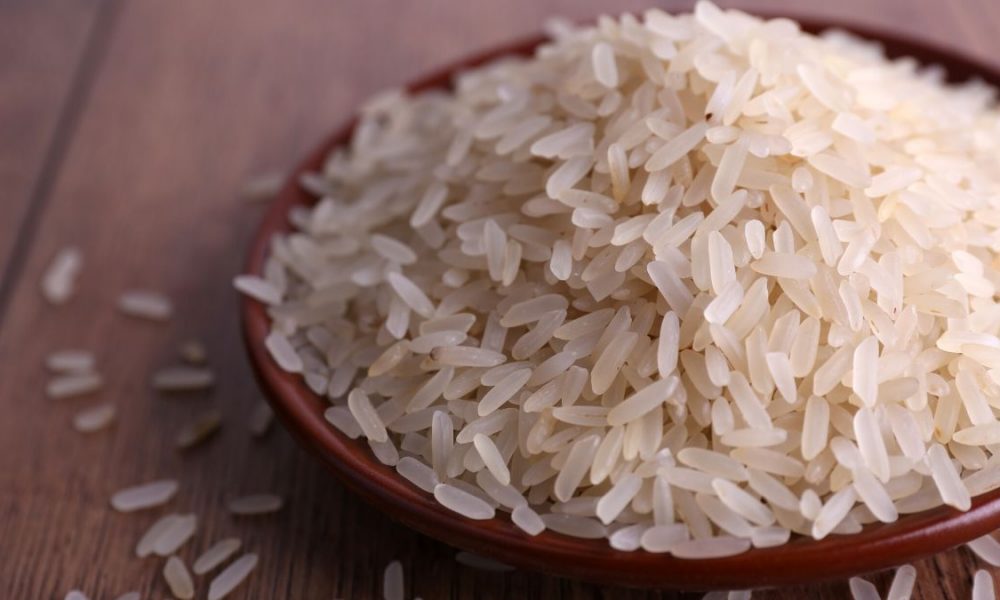
Plant breeders have developed rice cultivars specifically selected for high amylose content, producing white rice with low GI properties for consumers who prefer refined rice’s texture and appearance.
Practical Integration into Daily Meals
Adopting low gi rice singapore requires adjustments in cooking methods and expectations. Brown rice demands longer cooking times and more water than white rice, typically requiring 40 to 50 minutes compared to 15 to 20 minutes. The texture differs markedly, offering more resistance to the bite and a nuttier flavour profile.
Basmati and other low GI white varieties cook similarly to regular white rice but produce drier, more separate grains. This characteristic suits certain dishes admirably whilst requiring adaptation for preparations traditionally made with sticky, cohesive rice. Combination approaches, mixing low GI varieties with conventional rice in gradually increasing proportions, ease the transition for households resistant to abrupt change.
The Broader Context of Dietary Intervention
The availability of low GI rice illustrates a larger principle in nutrition science: that traditional foods can be improved through understanding of human metabolism and plant biology. This represents neither abandonment of culinary heritage nor uncritical acceptance of industrial food processing, but rather an informed adaptation of staple foods to better serve human health in contemporary contexts.
Singapore’s environment, characterised by abundant food availability, sedentary occupations, and extended lifespans, differs dramatically from the conditions under which human metabolism evolved. The mismatch between ancestral physiology and modern lifestyle creates vulnerability to metabolic diseases. Strategic dietary modifications, including adoption of low GI rice, help bridge this gap.
Conclusion
The convergence of plant genetics, nutritional biochemistry, and public health concerns embodied in low gi rice singapore demonstrates how scientific understanding can inform practical solutions to pressing health challenges. For individuals managing diabetes, seeking weight control, or simply pursuing optimal health, these rice varieties offer a path forward that respects cultural food traditions whilst acknowledging metabolic realities. In this small grain lies a microcosm of humanity’s capacity to apply knowledge in service of wellbeing.