


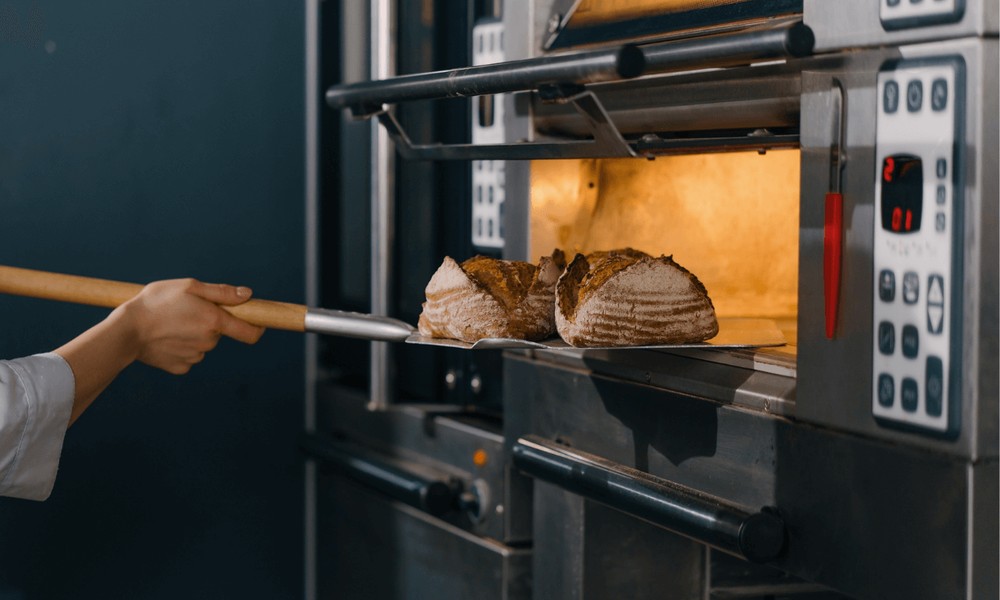
A commercial bakery oven represents something more than mere machinery, something beyond the sum of its heating elements and steel chambers. It embodies a particular relationship between craft and technology, between the ancient art of baking and the modern demands of commercial production. To choose one is to make a statement about values, about what matters in the transformation of flour and water into sustenance, about the balance between tradition and efficiency that defines contemporary baking. In Singapore’s diverse landscape of artisan bakeries and industrial facilities, where heritage coexists with innovation, this choice carries particular weight.
The Question of Scale and Ambition
The best commercial bakery oven reveals itself not through abstract specifications but through the specific requirements of the operation it serves. A factory producing thousands of sandwich loaves hourly faces different imperatives than an artisan baker crafting two hundred sourdough boules daily. Each context demands its own solution, its own compromise between competing priorities.
Consider the factory setting first. Here, efficiency reigns supreme. Production schedules measured in minutes rather than hours, output calculated in tonnes rather than dozens, margins determined by fractions of cents per unit. The commercial baking oven in such environments functions as an industrial instrument, valued for consistency, capacity, and relentless reliability. Downtime represents not inconvenience but crisis, each idle hour translating directly into lost revenue and broken commitments to distributors awaiting delivery.
Yet even in such settings, quality cannot be sacrificed entirely to speed. The bread that emerges must still satisfy consumers, still deliver the texture and flavour that justify its existence beyond mere calories. The best factory commercial bakery ovens achieve this difficult balance, maintaining standards whilst meeting the brutal arithmetic of mass production.
The Artisan’s Different Calculus
For the professional baker operating at smaller scale, different considerations apply. Here, a commercial oven for bakery work becomes an extension of the baker’s sensibility, a tool that must respond to intuition as much as programming. The machine must accommodate the temperamental nature of natural fermentation, the variations introduced by ambient humidity, the subtle adjustments that distinguish competent bread from exceptional bread.
“Singapore’s artisan bakery movement has driven demand for versatile commercial baking equipment capable of handling diverse products whilst maintaining the precision required for high-quality results,” notes analysis of the local market’s evolution. This development reflects a broader cultural shift, a growing appreciation for craft that coexists alongside, rather than opposing, efficient production.
The criteria for excellence shift accordingly:
- Flexibility across different product types and baking protocols
- Precise temperature control responsive to the baker’s adjustments
- Steam injection capabilities for artisan bread production
- Chamber configurations accommodating various batch sizes
- Interfaces that enhance rather than replace human judgment
Technical Considerations and Practical Wisdom
The distinction between adequate and exceptional commercial bakery oven performance often reveals itself in details overlooked during initial evaluation. Heat distribution patterns that appear uniform in testing may prove inconsistent under sustained production loads. Recovery times adequate for moderate use may falter during peak periods. Controls that seem intuitive initially may prove cumbersome through repetitive daily operation.
Experienced bakers develop instincts about equipment performance, sensing through subtle cues whether a commercial baking oven will prove reliable over years of service. The quality of materials, the logic of the design, the accessibility for maintenance, all whisper their truths to those who listen. These intangibles resist quantification yet profoundly affect long-term satisfaction.
The Energy Equation
Singapore’s tropical climate and substantial utility costs make energy efficiency more than environmental consideration. It becomes economic necessity. A commercial bakery oven consuming excessive power imposes ongoing costs that accumulate relentlessly, potentially exceeding the initial purchase price over the equipment’s operational life.
Modern designs incorporate various approaches to efficiency. Enhanced insulation reduces heat loss. Optimised burner systems extract maximum energy from fuel. Intelligent controls prevent waste through precise management of heating cycles. These features transform the relationship between energy input and baking output, creating value through reduction of waste.
Investment and Return
The acquisition of professional baking equipment demands financial realism. Quality commercial ovens for bakeries represent substantial investments, their costs reflecting the engineering and materials required for reliable performance. Yet false economy through inadequate investment often proves more expensive ultimately, as maintenance costs mount and capacity constraints limit growth.
The calculation must extend beyond immediate affordability to consider total operational cost. Energy consumption, maintenance requirements, production capacity, product quality, and equipment longevity all factor into the true economics. A more expensive commercial bakery oven delivering superior efficiency and reliability may prove less costly than cheaper alternatives over time.
Making Peace with Imperfection
No equipment perfectly suits every requirement. Trade-offs prove inevitable. The commercial oven for bakery operations offering maximum flexibility may sacrifice some production speed. The model delivering highest capacity may demand compromises in product variety. Understanding these limitations, accepting them consciously rather than discovering them through disappointment, marks the difference between wise purchasing and eventual regret.
The best choice emerges not from seeking perfection but from understanding priorities. What matters most? Where can compromise be tolerated? Which features prove essential versus merely desirable? These questions, honestly addressed, guide towards equipment appropriate to specific circumstances rather than abstract ideals.
The Longer View
Equipment decisions reverberate through years of operation, shaping daily experience and constraining or enabling future possibilities. A thoughtfully selected Commercial Bakery Oven becomes infrastructure upon which reputation and business success build gradually, proving its worth not through dramatic moments but through countless ordinary days of reliable service, batch after batch, year after year, supporting the quiet persistence that sustains any enduring enterprise.